Seerene
Insights · Executive conversations · Perspective · 3 min

From competition to collaboration: how CIOs can harness community-driven innovation for industrial transformation

How open-source ecosystems and community-driven development are reshaping enterprise leadership
By Brandon M. LewisPublished 31 July 2025
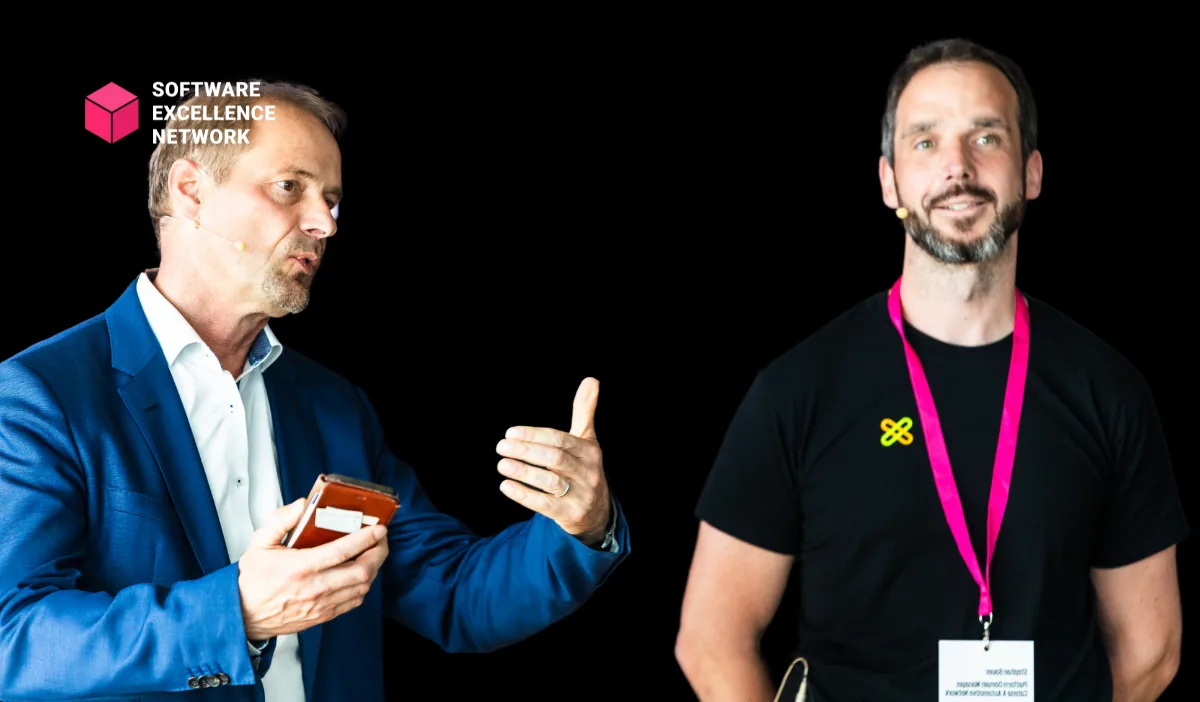
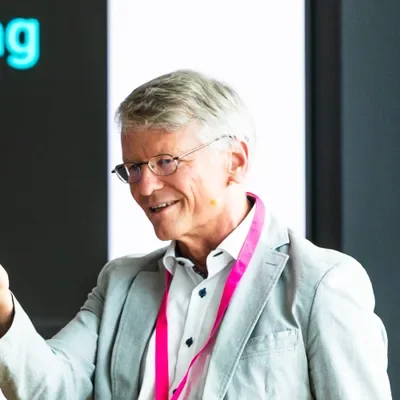
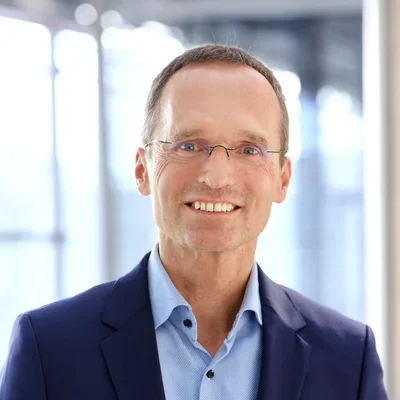
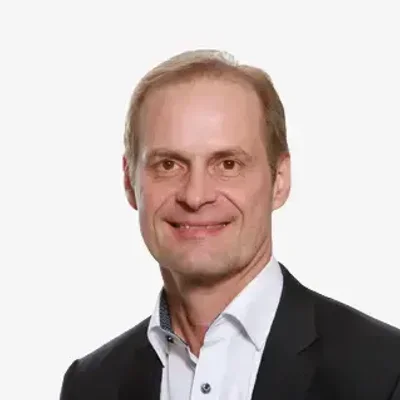
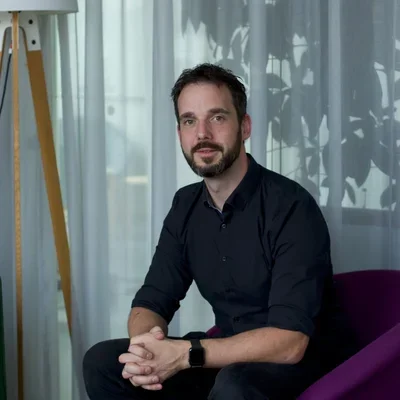
Dr. Jürgen SturmStephan Bauer
Software Excellence Network · Executive Exchange · 4 June 2025
Dr. Jürgen Sturm · SVP, ZF Group / Stephan Bauer · Platform Domain Manager, Catena-X
“Radical Collaboration for Data Ecosystems”
Transform or Face Disruption · EINZ Tower, Berlin · Article published 31 July 2025
Event page →

The end of siloed transformation

For decades, CIOs led their organizations through digital transformation using packaged enterprise software, customized integrations, and complex vendor ecosystems. But as Dr. Sturm reflected, this approach no longer meets the scale or complexity of today's challenges.

Issues like real-time supply chain traceability, product carbon footprint calculation, and compliance with global ESG goals span entire value networks. No single company, platform, or cloud provider can solve them in isolation. They require a new paradigm: community-driven development, where solutions are designed and owned collectively by ecosystems of partners.

Catena-X is a pioneering realization of this vision. Instead of centralizing data or imposing uniform infrastructure, it enables secure, sovereign data exchange across companies through a decentralized architecture and a shared open-source technology stack.

Open-source ecosystems: from risk to strategic asset

Bauer, who serves as project lead for Eclipse Tractus-X, offered a rare inside look at how this model works in practice. Unlike traditional enterprise IT environments, Tractus-X operates on fully transparent and merit-based principles.

All planning, documentation, development, and release cycles happen openly on GitHub. Anyone—whether from a Tier 1 supplier, an OEM, or a consulting firm—can join, contribute, and shape the direction of the codebase. This openness isn't just symbolic; it's operational. Tractus-X spans 57 GitHub repositories, supports 23 products, and is maintained through four coordinated releases per year—all managed by a community of over 200 contributors.

Governance is earned, not bought. Developers begin as contributors, and through sustained, visible participation, they may be elected as committers—those entrusted with merging code into the project's core. The most engaged and trusted among them may become project leads, as Bauer himself was. It's a model that prioritizes trust, visibility, and responsibility over hierarchy or funding.

Scaling industrial open source: what CIOs need to know

Tractus-X is not a boutique experiment. It is currently the largest Eclipse project by commits and contributors—testament to its industry relevance and traction.

Yet Bauer also made clear that success comes with challenges. Despite 43 registered committers, only 15 are currently active—highlighting the strain on community-maintained infrastructure and the need for more industry players to step up. For CIOs, this is both a caution and a call to action: if your enterprise benefits from open-source ecosystems, it must also contribute to their sustainability.

What makes this model particularly powerful is its portability. Tractus-X is now influencing similar initiatives across industries—from Manufacturing-X and Factory-X to Health-X and Semiconductor-X. Each builds on the same foundation: distributed data sovereignty, trusted interoperability, and shared development governance.

Culture shift: the CIO as community architect

Perhaps the most important lesson is not technical, but cultural. For CIOs raised on project plans, control gates, and linear execution, stepping into an open-source, community-led model requires a profound mindset shift.

  • Valuing contribution over control
  • Building in the open, not behind closed systems
  • Empowering teams to engage with external ecosystems, not just internal backlogs
  • Treating trust and transparency as strategic enablers, not risks to be minimized

Bauer described this with practical clarity: GitHub is the project management tool. Meetings are open. Roadmaps are community-planned. Leadership is earned through demonstrated impact. The entire ecosystem is designed to be porous, participatory, and agile—not locked down.

GenAI, trust frameworks, and industrial intelligence

Underneath this collaborative infrastructure lies an opportunity tailor-made for generative AI. As data becomes more standardized, connected, and machine-readable across companies, GenAI can move from isolated chatbots to ecosystem-scale intelligence.

This is the groundwork for generative agents that assist with sustainability reporting, compliance audits, supply chain risk prediction, and real-time quality diagnostics—tools that draw not just on one company's data, but on shared industrial intelligence. With governance and transparency baked into the foundation, AI can operate within trusted boundaries that respect sovereignty, regulation, and competition.

The road ahead

As Dr. Sturm put it, one of the most transformative experiences of his long CIO career wasn't a cloud migration or ERP rollout—it was participating in an open-source project as a first-class contributor.

That transformation, from solution buyer to ecosystem builder, from solo operator to community participant, is now available to every CIO.

The next frontier in enterprise innovation won't be driven by closed platforms or internal sprints. It will be built together—in open codebases, cross-sector alliances, and shared technical standards.

The question is no longer whether to join. It's when, where, and how.

From the gathering · Transform or Face Disruption
▶ Recording
The talk
Radical Collaboration for Data Ecosystems
Dr. Jürgen Sturm · SVP, ZF Group & Stephan Bauer · Catena-X

Competitive advantage increasingly comes from ecosystems: how cross-industry data collaboration creates industrial software value at scale.

In the room · speakers and panelists
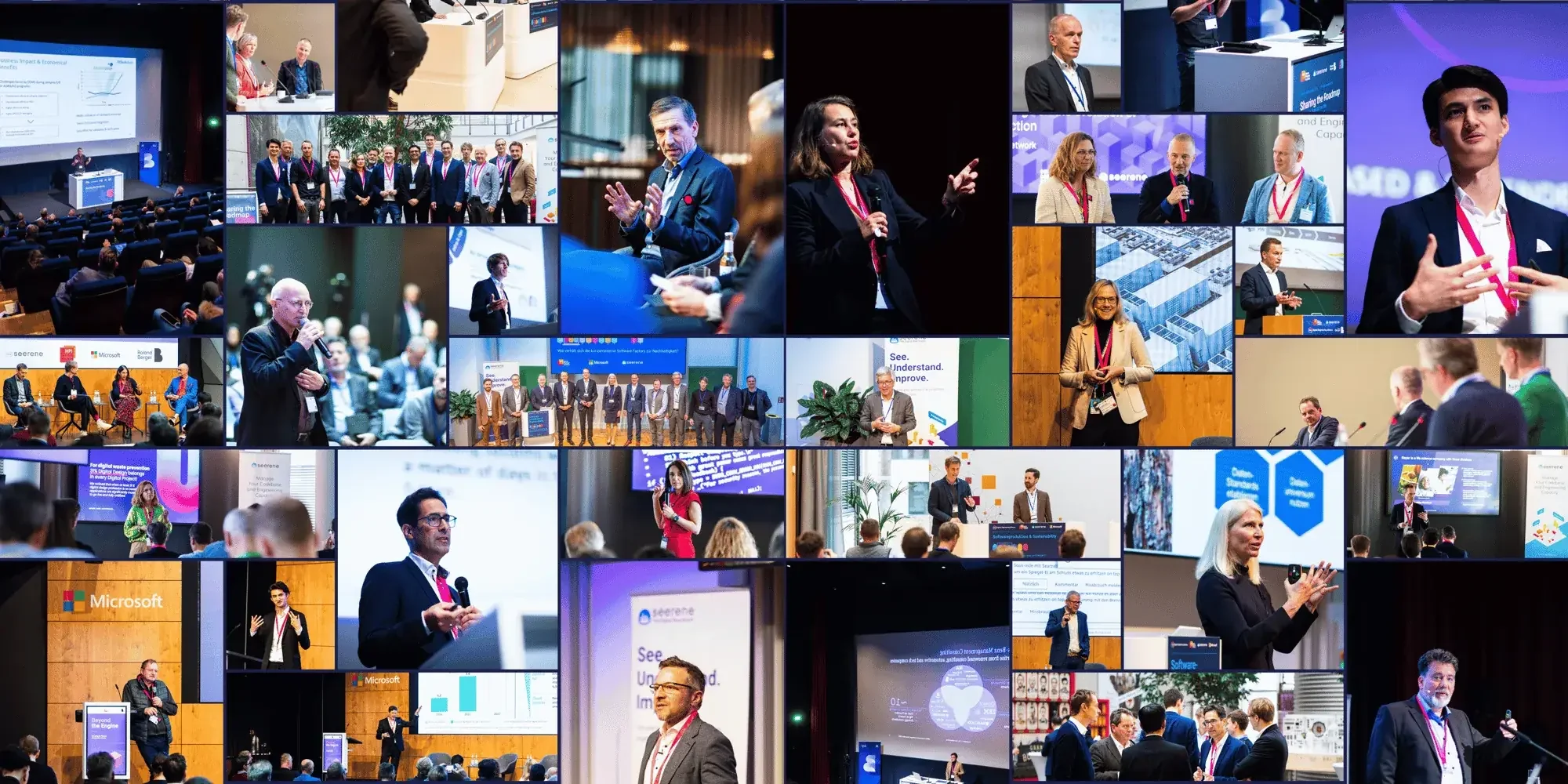
4 June 2025 · EINZ Tower, BerlinOne day, seven masterclasses and a panelEight recordings and seven slide decksParticipants from automotive, industrial, energy, pharma and technology
Prof. Dr. Jürgen Döllner
Hasso Plattner Institute
Dr. Johannes Bohnet
Dr. Johannes Bohnet
CEO & Founder, Seerene
Alexander Springer
Alexander Springer
VP Technology & Engineering, Bosch
Dr. Henning Heitkötter
VP & Head of AI Core, SAP
Prof. Dr. Wolfgang Pree
CEO, AI2
Dr. Bernd Lohmann
Dr. Bernd Lohmann
CTO, Bayer
Dr. Jürgen Sturm
Dr. Jürgen Sturm
SVP, ZF Group
Stephan Bauer
Stephan Bauer
Platform Domain Manager, Catena-X
Olaf Kuhmann
Olaf Kuhmann
Head of IT & Distribution, EnBW
Karin Schweizer
Karin Schweizer
Director Digital & Application Innovation, Microsoft
Oliver Viel
Oliver Viel
CMO, Seerene & German Deep Tech Group
Impressions

Documentation and photographs from the Network’s event page, shown with the consent of the people pictured. Full event page →

From competition to collaboration: how CIOs can harness community-driven innovation for industrial transformation

Perspective · 3 min · Brandon M. Lewis · 2025-07-31

How open-source ecosystems and community-driven development are reshaping enterprise leadership
The end of siloed transformation

For decades, CIOs led their organizations through digital transformation using packaged enterprise software, customized integrations, and complex vendor ecosystems. But as Dr. Sturm reflected, this approach no longer meets the scale or complexity of today's challenges.

Issues like real-time supply chain traceability, product carbon footprint calculation, and compliance with global ESG goals span entire value networks. No single company, platform, or cloud provider can solve them in isolation. They require a new paradigm: community-driven development, where solutions are designed and owned collectively by ecosystems of partners.

Catena-X is a pioneering realization of this vision. Instead of centralizing data or imposing uniform infrastructure, it enables secure, sovereign data exchange across companies through a decentralized architecture and a shared open-source technology stack.

Open-source ecosystems: from risk to strategic asset

Bauer, who serves as project lead for Eclipse Tractus-X, offered a rare inside look at how this model works in practice. Unlike traditional enterprise IT environments, Tractus-X operates on fully transparent and merit-based principles.

All planning, documentation, development, and release cycles happen openly on GitHub. Anyone—whether from a Tier 1 supplier, an OEM, or a consulting firm—can join, contribute, and shape the direction of the codebase. This openness isn't just symbolic; it's operational. Tractus-X spans 57 GitHub repositories, supports 23 products, and is maintained through four coordinated releases per year—all managed by a community of over 200 contributors.

Governance is earned, not bought. Developers begin as contributors, and through sustained, visible participation, they may be elected as committers—those entrusted with merging code into the project's core. The most engaged and trusted among them may become project leads, as Bauer himself was. It's a model that prioritizes trust, visibility, and responsibility over hierarchy or funding.

Scaling industrial open source: what CIOs need to know

Tractus-X is not a boutique experiment. It is currently the largest Eclipse project by commits and contributors—testament to its industry relevance and traction.

Yet Bauer also made clear that success comes with challenges. Despite 43 registered committers, only 15 are currently active—highlighting the strain on community-maintained infrastructure and the need for more industry players to step up. For CIOs, this is both a caution and a call to action: if your enterprise benefits from open-source ecosystems, it must also contribute to their sustainability.

What makes this model particularly powerful is its portability. Tractus-X is now influencing similar initiatives across industries—from Manufacturing-X and Factory-X to Health-X and Semiconductor-X. Each builds on the same foundation: distributed data sovereignty, trusted interoperability, and shared development governance.

Culture shift: the CIO as community architect

Perhaps the most important lesson is not technical, but cultural. For CIOs raised on project plans, control gates, and linear execution, stepping into an open-source, community-led model requires a profound mindset shift.

Bauer described this with practical clarity: GitHub is the project management tool. Meetings are open. Roadmaps are community-planned. Leadership is earned through demonstrated impact. The entire ecosystem is designed to be porous, participatory, and agile—not locked down.

GenAI, trust frameworks, and industrial intelligence

Underneath this collaborative infrastructure lies an opportunity tailor-made for generative AI. As data becomes more standardized, connected, and machine-readable across companies, GenAI can move from isolated chatbots to ecosystem-scale intelligence.

This is the groundwork for generative agents that assist with sustainability reporting, compliance audits, supply chain risk prediction, and real-time quality diagnostics—tools that draw not just on one company's data, but on shared industrial intelligence. With governance and transparency baked into the foundation, AI can operate within trusted boundaries that respect sovereignty, regulation, and competition.

The road ahead

As Dr. Sturm put it, one of the most transformative experiences of his long CIO career wasn't a cloud migration or ERP rollout—it was participating in an open-source project as a first-class contributor.

That transformation, from solution buyer to ecosystem builder, from solo operator to community participant, is now available to every CIO.

The next frontier in enterprise innovation won't be driven by closed platforms or internal sprints. It will be built together—in open codebases, cross-sector alliances, and shared technical standards.

The question is no longer whether to join. It's when, where, and how.
From the gathering

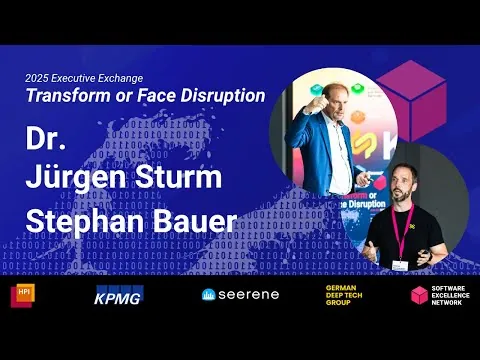
Transform or Face Disruption · 4 June 2025 · EINZ Tower, Berlin

Event page: Transform or Face Disruption

Radical Collaboration for Data Ecosystems

Dr. Jürgen Sturm · SVP, ZF Group & Stephan Bauer · Catena-X

Competitive advantage increasingly comes from ecosystems: how cross-industry data collaboration creates industrial software value at scale.

Recording on YouTube

Slides (PDF)

Speakers and panelists