For CTOs and CIOs
Set technology priorities the board can follow and engineering can verify.
You are asked to decide about capacity, modernization and AI adoption across a portfolio no single report describes. Seerene gives you one independent evidence base across all product lines, teams and partners, read-only, with a trace from every management figure to the technical cause. First baseline typically about 30 days from data readiness.
Several lines to a whole portfolio, never a single teamTeam and system level, no individual dataEngineering validates every interpretation
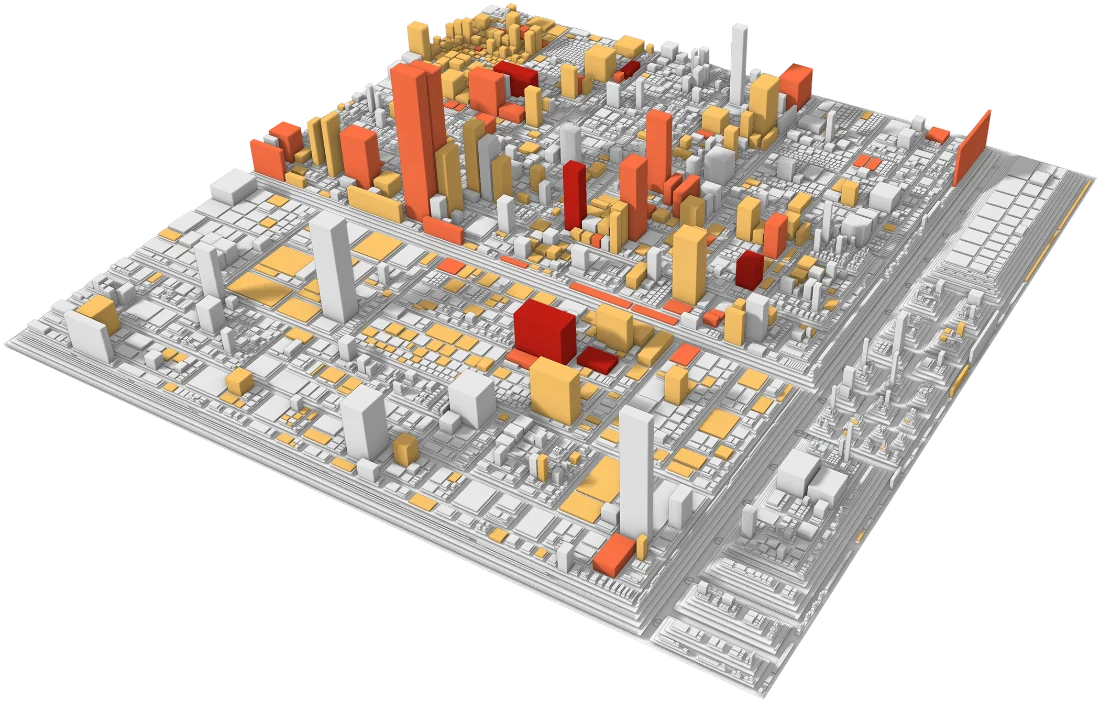
Concept diagram · a portfolio question, as the Digital Boardroom frames it
Where is engineering capacity bound?
Partner integrations
42%
Data platform
31%
Payments platform
27%
Core banking
19%
Mobile channels
14%
Share of capacity absorbed by rework, dependencies and knowledge concentration
Decision this supports. Whether additional capacity for partner integrations would reach the product or be absorbed, and which structural cause to remove first.
Trace · Portfolio → Partner integrations → Interface layer → Rework after late integration. Team and system level only.
Trace · Portfolio → Partner integrations → Interface layer → Rework after late integration. Team and system level only.
Your questions
The decisions a CTO or CIO has to carry, and what settles them
Technology leadership sits between a board that asks for outcomes and teams that know the causes. The CTO carries architecture, quality, technical debt and engineering capability; the CIO carries the business value of the application portfolio, its transformation and its governance. The Digital Boardroom gives both the same evidence.
Management question
Which of our production lines will absorb new budget before it reaches the product?
Seerene makes visible
Capacity per product line split into product work and work bound by rework, dependencies and knowledge concentration, on one definition across teams and vendors.
Your decision
Where to invest, where to fix structure first, and what to tell the board about both.
Management question
CIO: which applications in our portfolio carry the transformation, and which absorb budget without creating business value?
Seerene makes visible
Effort, change and rework per application mapped to business criticality and roadmap relevance, on one definition across internal teams and vendors.
Your decision
Which applications to modernize, consolidate or retire, and how to show the business the result in its own terms.
Management question
Where does structural risk sit in systems the business depends on?
Seerene makes visible
Knowledge concentrated in few people, change failure and aging components, mapped to the criticality of each system.
Your decision
Which modernization to fund now, which to stage, and which risk to carry consciously.
Management question
What has AI tooling actually changed in our production?
Seerene makes visible
Throughput, review effort, rework and quality before and after adoption, connected to usage data where available; observed change kept apart from proven cause.
Your decision
Where to scale AI assistants, where to add review capacity, and how to answer the productivity question with evidence.
Management question
Are external partners delivering what we pay for, on the same yardstick as internal teams?
Seerene makes visible
The same model and the same definitions applied to internal teams and partner teams.
Your decision
Contract and sourcing decisions based on comparable evidence.
The AI productivity question
Answer it with evidence before it becomes a board issue
AI assistants raise code volume faster than review, test and integration capacity grow. The question is not how much code is written but what it does to quality, rework and delivery across the portfolio. Seerene observes that change on one definition and keeps observed effect apart from proven cause.
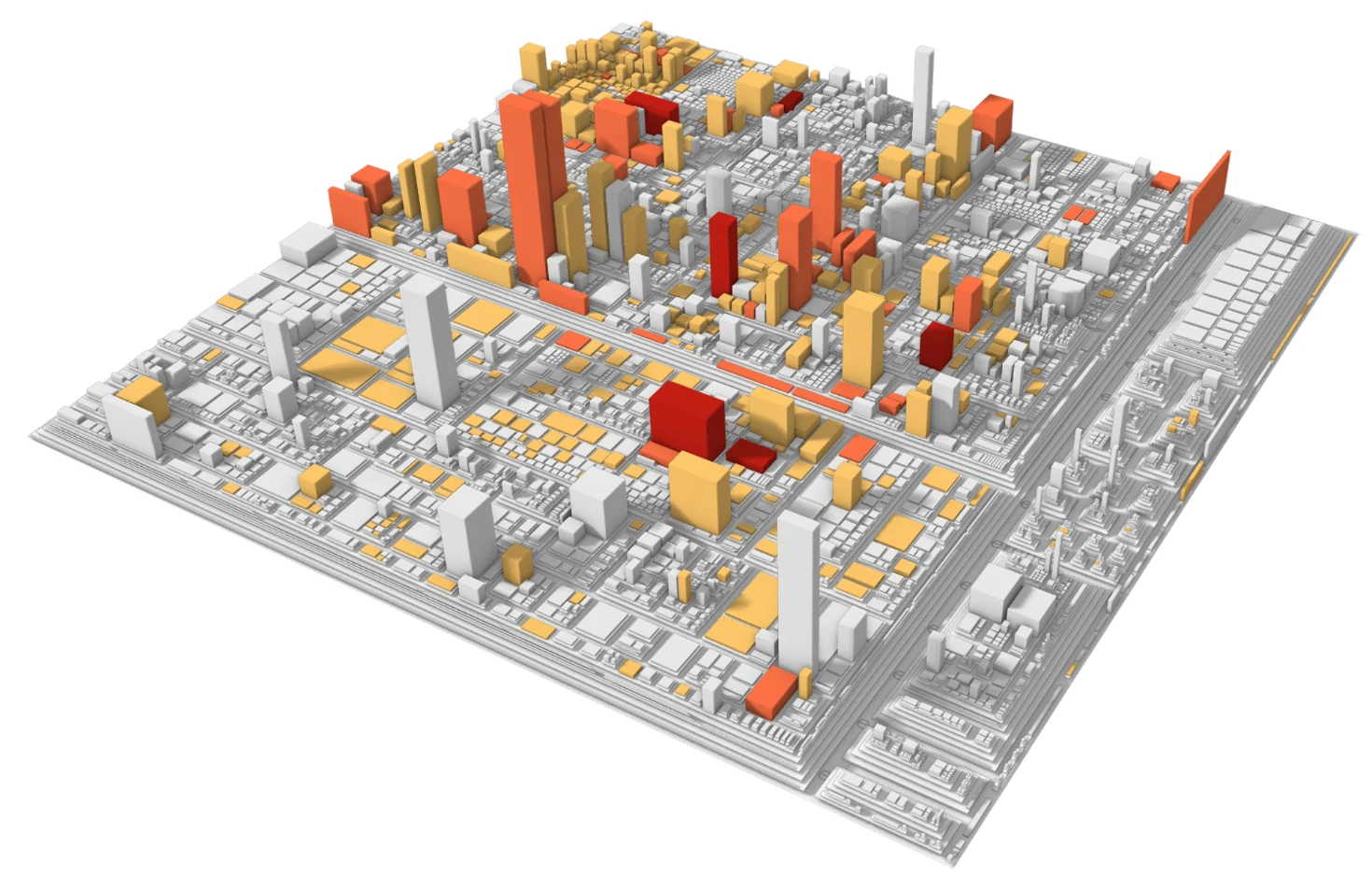
The AI paradox · what leadership sees of AI-accelerated code, and what it does not
Software change throughput vs. enterprise visibility and steering capacity
Where usage data exists, the baseline can set up a proper comparison; where it does not, the view says so. Either way you answer the board with evidence, not with a vendor’s claim.
What is different
Why this is not another engineering dashboard
Built for the question, not for the tool
Views start with a management question and work downward. Your teams’ tools keep their job; Seerene adds the portfolio-level model and the comparable definitions they cannot produce on their own.
Independent of any single toolchain or vendor
One model across repositories, pipelines, trackers and test systems, across languages, methods and suppliers. Differences between tasks and systems are part of the model, not an excuse for incomparable numbers.
Traceable, so engineering can trust it
Every figure opens to the production line, the system and the team-level cause. Your engineering leads validate the interpretation before leadership decides. Nothing is attributed to individuals.
Continuous, so the next review checks effect
Question, finding, decision, action and owner are documented together. The next review looks at what changed, instead of re-opening the debate with new slides.
Whose instrument this is
Why this is yours, not your analytics team’s.
Delegated to a line or an analytics team, the Digital Boardroom becomes one more dashboard, reviewed as a tool by people whose job is not to compare lines — and the portfolio value is not visible at that level. Owned by you, it becomes the agenda of your executive review: one verified view, three decisions, 15 minutes with your direct reports — at the cadence of your management routine, weekly, every two weeks or monthly. The technical validation is engineering’s; the decision is yours. The first four to six rounds are guided, because the first deviations always raise objections — that is the mechanism working.
Your part
15 minutes per executive review · one verified view · three decisions
Engineering’s part
Validation call · review of findings that concern their systems
Seerene’s part
Evidence, guided first rounds, context register, decision record
Working with engineering
A division of labor that engineering leads accept
Seerene prepares the evidence. Engineering checks explanation and feasibility. Leadership decides on priorities. The trace keeps all three honest.
- 01Seerene prepares evidence →
- 02Engineering validates causes →
- 03Leadership sets priorities →
- 04Owner acts →
- 05Review checks effect →
The baseline typically ends in a review session with the engineering leads who own the affected systems. In our experience this is where the conversation changes: from defending status reports to agreeing which structural cause to remove first.
Your effort
What a baseline asks of your organization
-
YouOne decision to take
Capacity allocation, a modernization priority, an AI rollout or a sourcing question. The baseline is scoped to the decision; the connection covers an agreed perimeter of several production lines, never a single team.
-
EngineeringOne engineering lead, one point person
A technical validation call to confirm sources and interpretation, and typically 8–16 net working hours in total for the read-only connection of the toolchain. No new tools for developers, no change to workflows.
-
OrganizationSecurity, procurement, works council
Planned with you from the start and run in parallel. Seerene provides the documentation for security review and employee representation; the architecture works at team and system level only.
-
~30 daysIndependent baseline
Portfolio-wide view, traced to causes, validated by your engineering leads, with named actions and owners and a date to review effect. Typically about 30 days from data readiness.
About 30 days from data readiness within the agreed scope. Timelines for security review, works council alignment and procurement depend on your organization and are planned separately.
What CTOs and CIOs ask before they start
We already have DORA metrics and engineering analytics. What does this add?+
Those tools describe delivery performance per team or pipeline. Seerene adds the portfolio-level model on one set of definitions, connects it to business criticality and to the management question, and keeps the trace to causes open. It reads your existing signals; it does not replace them.
Will my engineering leads see this as surveillance?+
The model works at team and system level only. There is no individual scoring or ranking, and the architecture does not allow it to be switched on. Engineering leads validate every interpretation before leadership sees it, which is why the division of labor is usually welcomed.
Can we start with one business unit?+
The unit of the baseline is a perimeter: several production lines that differ in technology and method, up to your whole software production. A single team cannot show the portfolio effect by design. What we limit is the question, the sources and the success criterion of the first baseline.
Who in Seerene do we deal with?+
Executive briefings are led by Seerene’s leadership. Technical validation involves our engineering team and your engineering lead. You get named counterparts for both.
Does this help with the Digital Operational Resilience Act (DORA), NIS2 or the EU AI Act?+
Those frameworks raise expectations for documented oversight of software and AI risk. A continuously maintained, independent evidence base is a practical way to meet them without an IT project. Which framework applies and what it requires is a question for your compliance function; Seerene provides evidence, not certification.
How much of my time does this take?+
15 minutes per executive review, aligned with your management cadence. With your direct reports, on one verified view, with three decisions. Technical validation and the first review are led by your engineering lead and Seerene; the decision stays with you. The first four to six rounds are guided.