The Shift to Software-Defined Vehicles
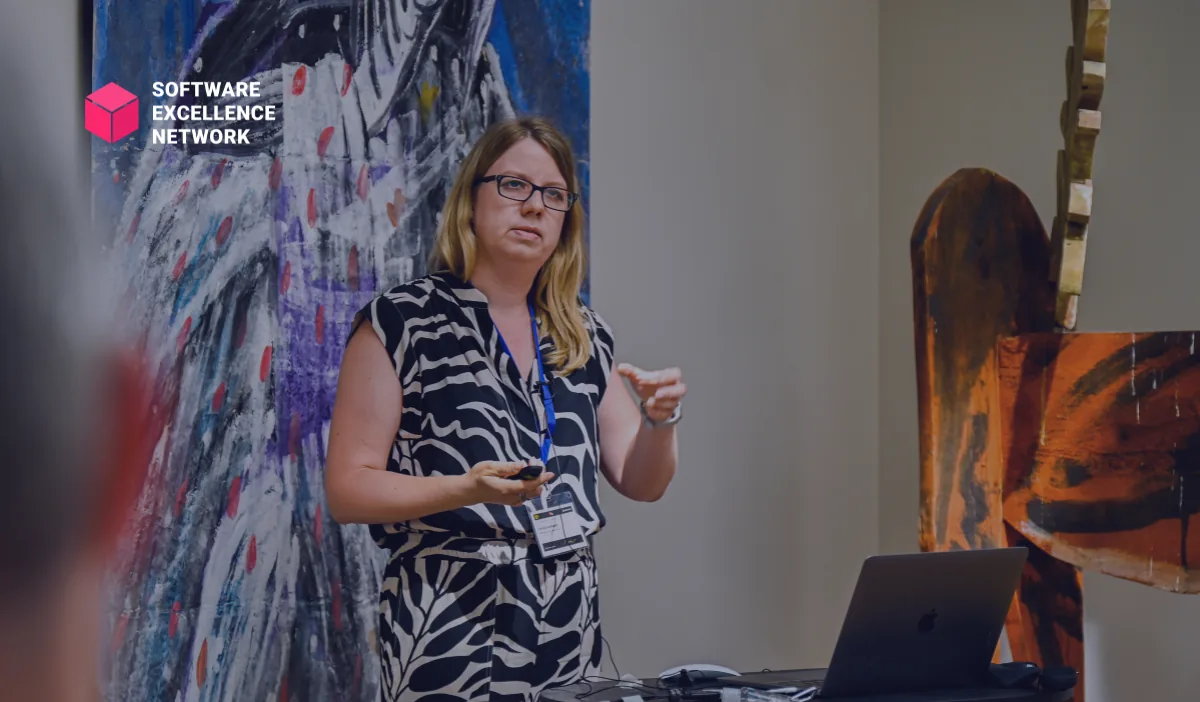
Meier's journey with Elektrobit began in 2009 when the company's software-driven operations initially struck her as starkly different from traditional manufacturing environments. Yet, she quickly recognized the transformative potential of software in enabling scalable production processes akin to an assembly line, but for code. This vision aligns perfectly with the broader automotive trends she highlighted: autonomous driving, connected cars, electrification, and shared mobility.
By 2035, 45% of vehicles are expected to feature advanced driver-assistance systems (ADAS), and 100% will be connected. These changes underscore the rising dominance of software as a core differentiator in vehicles. Meier emphasized that high-performance controllers (HPCs) are central to this evolution, allowing manufacturers to streamline operations, standardize components, and reduce costs while managing exponentially greater complexity.
Balancing Innovation and Standardization
One of Meier's most insightful points revolved around the increasing complexity of software development. The automotive industry has moved from managing thousands of lines of code to millions, with further growth inevitable. To thrive in this environment, Meier advocates for a dual approach:
Standardization: By creating core software products and reusable platforms, Elektrobit aims to reduce redundant development efforts. This strategy enables OEMs to incorporate specific features while maintaining a consistent foundation, saving time and resources.
Innovation: At the same time, staying competitive requires a focus on tailored solutions for unique customer needs. Striking the right balance between these two goals is key to maximizing profitability and operational efficiency.
Financial Strategy: From Services to Products
Meier's role as CFO provides her with a unique vantage point on the financial risks and rewards of software production. Unlike service-based models, where revenue streams are stable and predictable, software products demand significant upfront investment. This shift introduces uncertainty, as products may not always resonate with the market.
To mitigate these risks, Meier advocates for agile business models that combine flexibility with foresight. This includes investing in presales engineers to better align offerings with customer needs, enhancing marketing efforts, and exploring partnerships to share development costs. Moreover, fostering a culture of regular evaluation ensures resources are redirected from underperforming projects to more promising opportunities.
The Human Capital Imperative
Perhaps the most profound takeaway from Meier's presentation was her emphasis on the importance of people. In the era of SDVs, skilled software developers are the automotive industry's most valuable asset. However, attracting and retaining talent in a competitive market is no easy feat. Meier underscored the importance of offering flexible work arrangements and a strong employer brand to appeal to top talent.
She also highlighted the unique challenges faced by software developers, who are more focused on creative problem-solving than traditional manufacturing processes. To retain these employees, companies must cultivate an environment that fosters innovation, collaboration, and purpose.
Collaboration as the New Competitive Edge
A notable trend Meier identified is the shift from joint ventures to collaborative partnerships. These alliances allow companies to share knowledge, resources, and risks, ultimately driving innovation and efficiency. However, they also require careful planning and trust, as failed partnerships can result in lost opportunities and financial setbacks.
For Elektrobit, maintaining close relationships with OEMs is crucial to staying relevant, especially as some automakers build their own software factories. Meier stressed the importance of staying indispensable to customers by offering unparalleled value through both technical expertise and scalable solutions.
A Future Built on Software
Meier concluded her presentation with an optimistic outlook on the role of software in shaping the automotive industry's future. She envisions a landscape where software products become the primary source of revenue for companies like Elektrobit, accounting for 60% of their business. Achieving this will require new business models, stronger collaboration with customers, and a relentless focus on talent development.
Her parting message was clear: software is no longer just an enabler of hardware—it is the driving force behind the next era of mobility. Success in this domain will depend on innovation, adaptability, and the ability to transform challenges into opportunities.
Final Thoughts
Christina Meier's masterclass was more than a CFO's perspective; it was a roadmap for navigating the complexities of a software-driven automotive future. By embracing her insights, companies can position themselves not just to survive but to thrive in this transformative era. The journey requires a combination of strategic vision, operational discipline, and an unwavering commitment to people—the true engine of innovation.